काठमाडौं ।
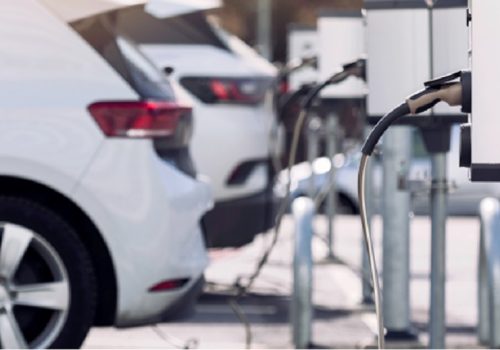
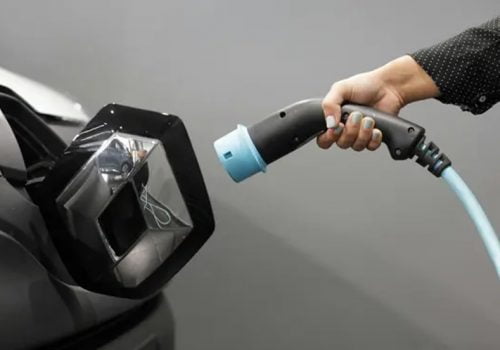
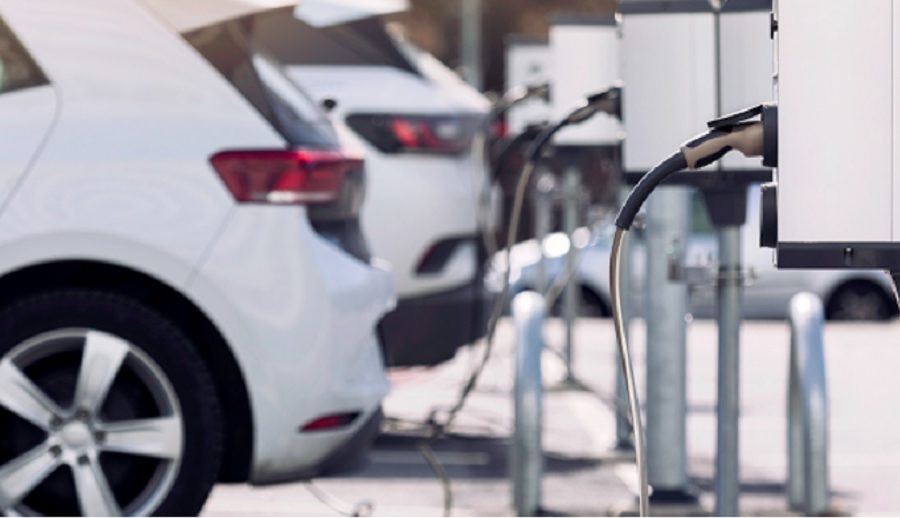
Sri Lanka has urged electric vehicle owners to stop charging their cars at night, saying the surge in demand is forcing the country to burn more coal and diesel to keep the power grid running.
In an address to the nation, President Anura Kumara Dissanayake said electric cars were adding an extra 300 megawatts of demand at night, straining the grid.
“Electric car owners charge their vehicles when they return from work. This is placing an additional burden on the grid, and we are compelled to operate all our generators to meet this surge,” he said on Tuesday night.
Much of the electricity at night is generated by a 900-megawatt coal power station and another 1,000 megawatts from diesel — a far cry from the clean/green image EVs might hope to project.
Sri Lanka, still waiting for large/scale battery storage, currently has no way to bottle its abundant daytime solar power.
“Charge your car during the day when we have excess electricity from solar,” Dissanayake said, adding that authorities plan to introduce tariffs shortly to curb night-time charging.
The South Asian country has seen a surge in electric cars since a five-year ban on vehicle imports was lifted in February last year.
More than 10 per cent of all vehicles imported since then have been fully electric.
Faced with an energy crisis following the war in the Middle East, Sri Lanka has begun rationing fuel. It has also imposed a four-day working week starting Wednesday in a bid to conserve fuel.
Dissanayake said the country was unable to secure two shipments of 90,000 tonnes of crude oil due to the Middle East war.
However, he said Colombo was in talks with “friendly states” including neighbouring India and Russia to purchase refined products.
On Wednesday, streets were relatively free of traffic, with train and bus stations empty, as schools, government offices and banks closed in response to the government’s energy-saving drive. AFP
प्रकाशित: ५ चैत्र २०८२, बिहीबार